Avoiding Perimenopause Bladder Issues
In many cases, our Westover Hills Female's Health and wellness group might suggest HRT to reduce menopause signs, including urinary incontinence. This may be excellent if you're experiencing various other signs of menopause such as warm flashes, night sweats, and mood swings. The frequency of UI amongst post-menopausal women varied from 13.6% [11] to 84.4% [10], with a total occurrence of 5394 (63.1%). An electronic database search was performed to determine pertinent English-language scholarly write-ups checking out the impact of menopause on UI. The databases inquired consisted of PubMed, Internet of Science, SCOPUS, and Science Direct.Does Hormone Treatment Help With Incontinence?
- You can do this by increasing the quantity your bladder can hold and the time in between visits to pass urine.Perimenopause can start prior to your last period ends, commonly in between the late 30s and 50s.Problems with urinary function-- such as urinary incontinence and infections-- are typically approved as a difficult, inevitable truth of aging, however they do not have to be.They can aid avoid the weakening of pelvic floor muscle mass, which frequently takes place while pregnant and giving birth.These might include medicines to aid with bladder feature, regional hormonal agent therapy, treatments like neurostimulation, or operations to reinforce assistance for the bladder and urethra.Menopause marks a significant shift in a female's life, with its range of signs and symptoms typically causing inquiries about their origin.
Should You Use Estrogen Cream For Recurrent Utis?
Due to the fact that pelvic flooring weak point normally takes place as Urine culture you age, females experiencing perimenopause are more likely to leakage urine during this time Urinalysis around. Pelvic flooring exercises, generally called Kegel exercises, assistance reinforce the muscles that support the bladder and urethra. Some females might additionally benefit from dealing with a pelvic flooring physiotherapist. Doing so can aid you much better target the best muscular tissues and create a more targeted program for your requirements. This uncontrolled loss of urine can happen when stress is positioned on the bladder and urethra, like when you laugh, cough, sneeze, or exercise. 
Even if your UI is permanent, you can take steps to better improve your management of your symptoms. For example, you can check your neighborhood drugstore for absorbent pads and safety underwears for grownups with UI. The majority of these items are thin and easy to use under your garments, without anyone seeing.
While ladies can experience incontinence and genital atrophy individually, the two frequently go hand-in-hand. The primary wrongdoer is the huge drop in estrogen degrees during menopause. People who are experiencing urinary incontinence must never ever think twice to look for medical advice. A doctor can work with you to understand the kind and intensity of your bladder problem. They may refer you to a professional called a urogynecologist or urologist, if you need extra intrusive screening or procedures. Slimming down or maintaining a healthy weight with a healthy diet plan and routine workout can aid the pelvic floor muscle mass and bladder really feel less stress.
At Noom, we're dedicated to offering health and wellness details that's based in reputable scientific research and professional testimonial. Our content is produced with the support of certified specialists and based on reputable study from relied on medical and scientific organizations. Find out more concerning the experts behind our web content on our Health Specialist Group web page. As you age, your bladder sheds its ability to increase, which means the bladder fills regularly, and it becomes harder to press the muscles to empty the bladder completely. Talk with your physician if you believe your medication is triggering you problems. The root cause of perimenopause is the winding down of ovarian feature and your ovaries creating less estrogen and testosterone.
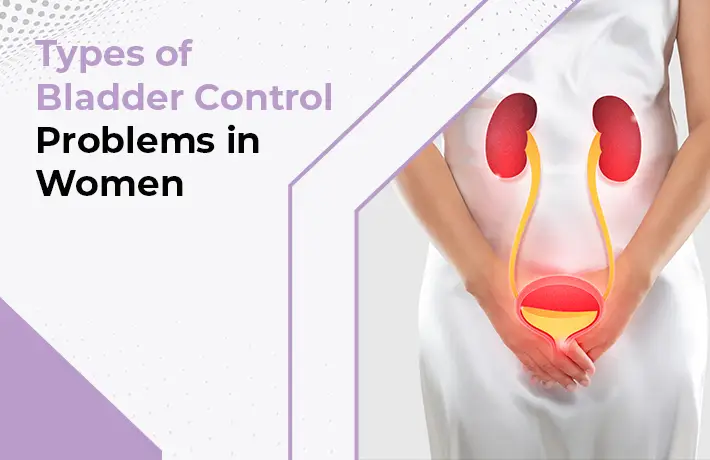
We're effectively blocking the flow of pee and protecting against total emptying. This leads to extra and unnecessary tension on our pelvic floor muscle mass and our bladder. Taking magnesium and vitamin D is also shown to help signs of urinary incontinence, however usage of these supplements ought to be reviewed with your healthcare provider beforehand. Common types include stress and anxiety urinary incontinence, desire urinary incontinence, blended incontinence, and overflow urinary incontinence.